Why Corporate Mobile Housing is a Strategic Project Partner
May 8, 2026
Choosing the right workforce housing partner can determine the success of your entire project. With over 20 years of experience, Corporate Mobile Housing has built a reputation for delivering
reliable, high-quality workforce
solutions across multiple industries.
Our value lies in:
- Single-source accountability
- Proven experience in complex, remote environments
- Focus on worker comfort and productivity
- Ability to deliver complete, turnkey solutions
By outsourcing workforce housing and infrastructure, companies can reduce administrative burden, lower costs, and improve overall efficiency.
Corporate Mobile Housing isn’t just a vendor—it’s a strategic
partner that helps ensure project success from start to finish.
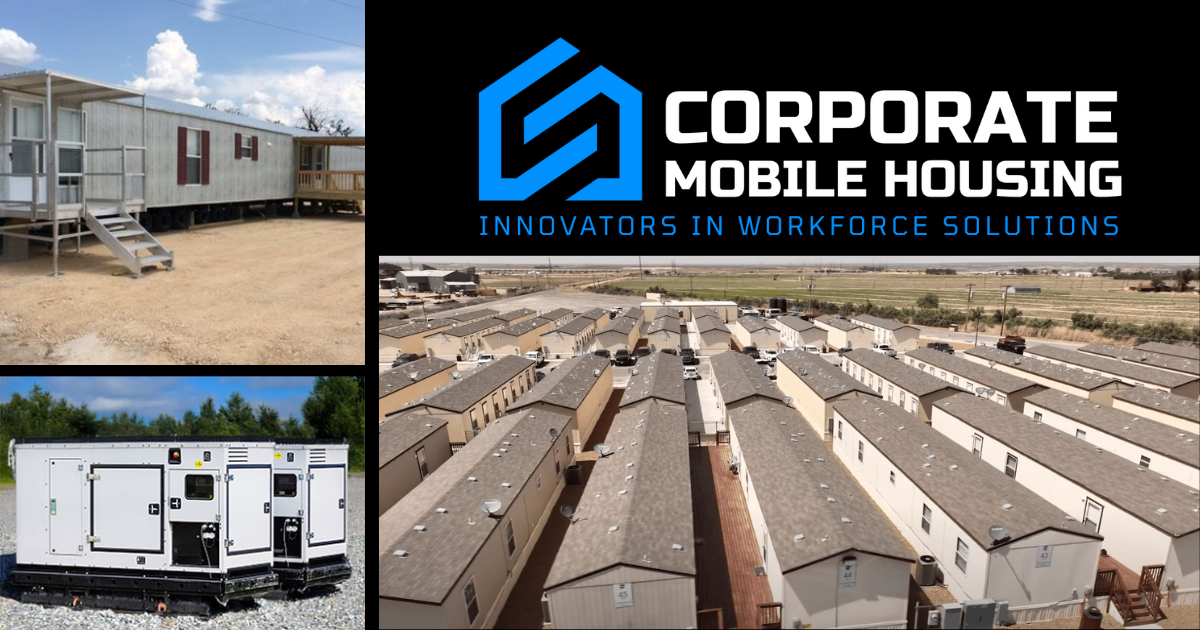
Organizations planning workforce housing projects often have similar questions. Here are a few of the most common. How Fast Can You Deploy? Deployment timelines vary depending on project scope, location, permitting requirements , and infrastructure needs. However, projects that begin planning early consistently achieve faster deployment schedules. What Utilities Are Required? Most workforce housing communities require: Electrical power Potable water Wastewater solutions Communications infrastructure Requirements vary by project size and location. Can Workforce Housing Work in Remote Areas? Yes. Many workforce housing projects are located in remote regions where traditional accommodations are unavailable. With proper planning, infrastructure solutions can support operations in challenging environments . What Makes Deployment Successful? Successful projects typically include: Early engagement Detailed planning Clear communication Turnkey execution These factors help minimize delays and improve workforce readiness. Why Work With Corporate Mobile Housing? Corporate Mobile Housing specializes in delivering turnkey workforce housing and infrastructure solutions that help organizations support their workforce wherever projects take them. From planning and permitting to deployment and operations, we help create workforce-ready environments designed for success .
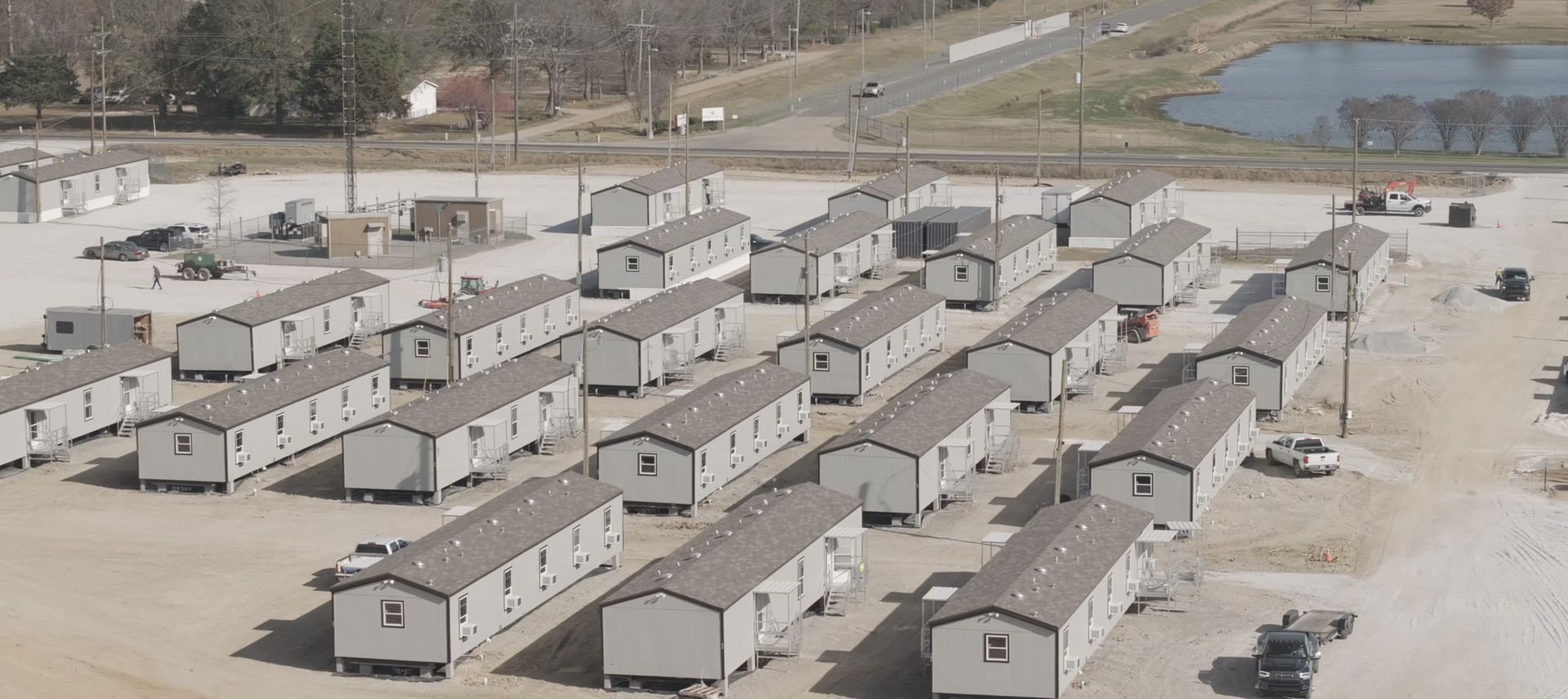
One of the most common goals among project owners is accelerating deployment timelines. The good news? Speed is achievable when the right information is available early. Workforce Size The first question we ask is simple: How many workers need accommodations ? Understanding workforce population helps determine: Housing quantities Facility requirements Infrastructure capacity Dining and support needs Project Location Location influences nearly every aspect of deployment. Factors include: Permitting requirements Utility availability Transportation logistics Environmental conditions The earlier we understand the site, the sooner planning can begin. Timeline Expectations Knowing when workers need to arrive allows deployment activities to be scheduled appropriately. Realistic timelines help align: Engineering Permitting Mobilization Occupancy Utility Information Access to power, water, and wastewater infrastructure is critical. Early utility assessments help identify opportunities and potential challenges before deployment begins. Early Alignment Creates Speed The most efficient workforce housing projects share one common trait: early collaboration. By providing key project information upfront, organizations enable faster planning, fewer surprises, and smoother deployment. Corporate Mobile Housing helps clients accelerate workforce housing projects through proactive planning and turnkey execution.
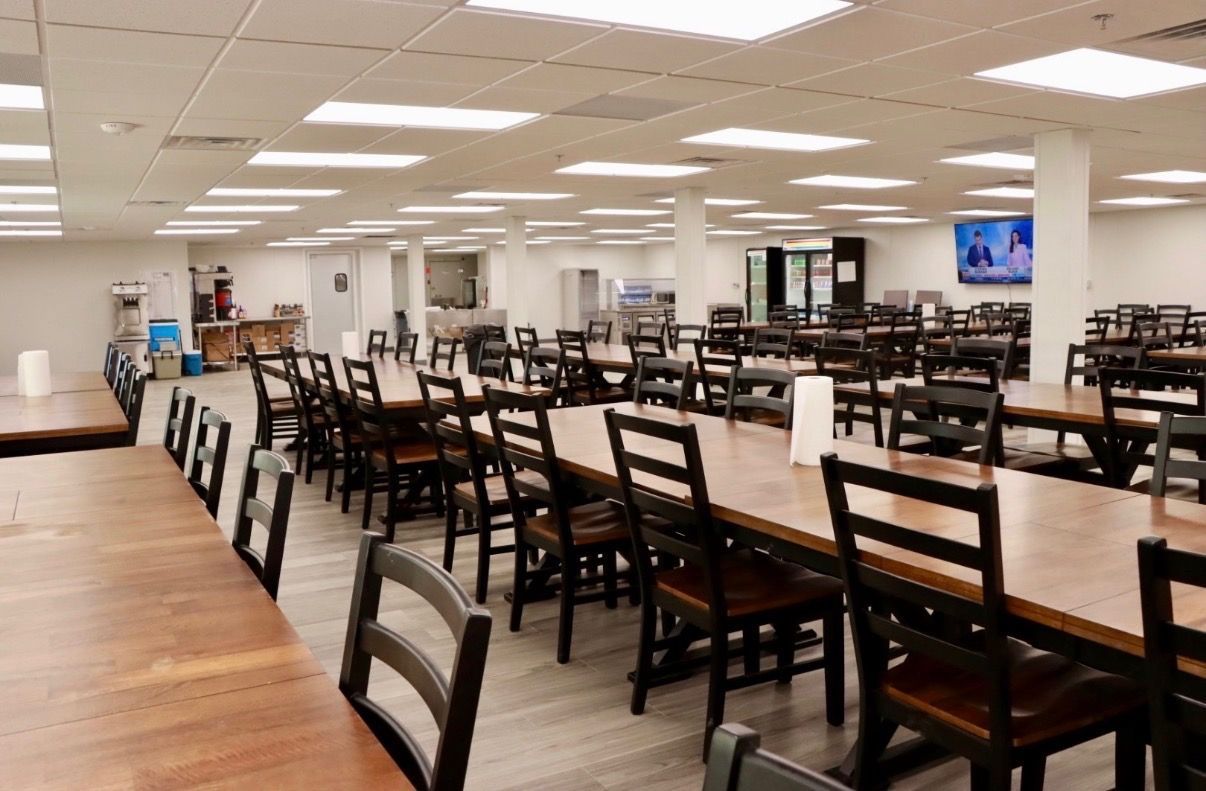
Transforming an undeveloped site into a fully operational workforce housing community requires far more than delivering housing units. It requires planning, coordination, infrastructure expertise, and execution experience . Every Successful Deployment Starts Early The fastest deployments are rarely the result of rushed execution. Instead, they are built on: Early engagement Detailed planning Infrastructure coordination Clear communication These foundational elements allow teams to anticipate challenges before they impact schedules. Turning Plans Into Action Experienced workforce housing providers understand how to manage: Site logistics Utility requirements Regulatory compliance Workforce accommodations Operational readiness This expertise reduces uncertainty and creates a smoother deployment process. Why Turnkey Execution Matters Managing housing and infrastructure through a single partner simplifies project delivery. Integrated execution helps ensure that housing, utilities, and support facilities are aligned throughout the deployment process. The Value of Experience Corporate Mobile Housing has helped clients transform project sites into workforce-ready environments in remarkably short timeframes. The difference isn't luck—it's experience , preparation, and proven processes. Building Success From Day One The sooner planning begins, the greater the opportunity to create an efficient, workforce-ready environment that supports project success from the very start.
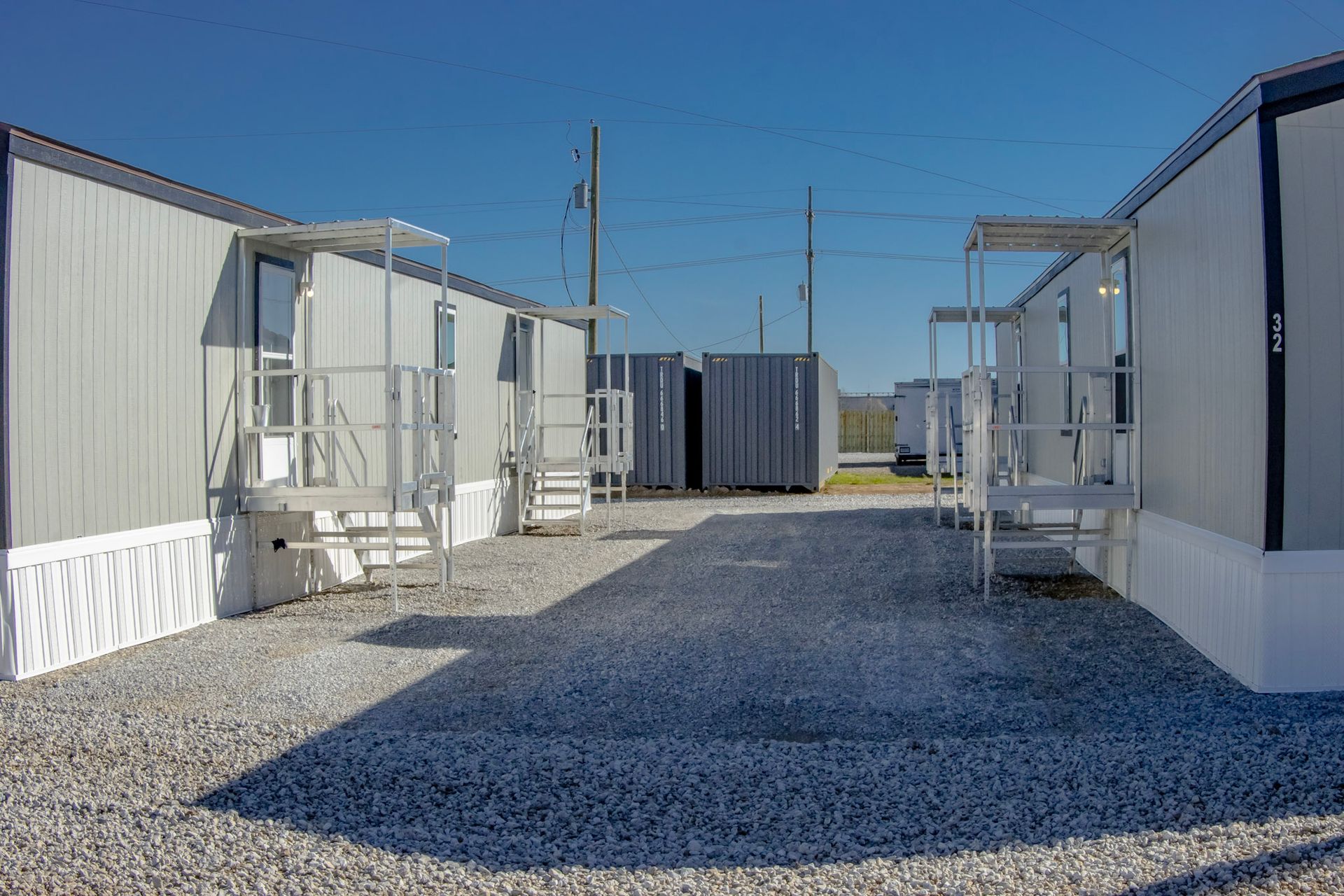
Managing workforce housing through multiple vendors may seem flexible, but it often creates unnecessary complexity. Every additional contractor introduces new coordination challenges, communication gaps, and potential delays. The Challenge of Multiple Vendors Many projects rely on separate providers for: Housing units Utility installation Site preparation Infrastructure Facility services While each vendor may perform well individually, coordinating them can consume valuable time and resources. The Benefits of a Turnkey Solution A turnkey workforce housing provide r delivers integrated services under one management structure. Benefits include: Streamlined communication Faster decision-making Reduced scheduling conflicts Greater accountability Improved project visibility Eliminating Project Gaps When responsibilities are divided among numerous vendors, critical tasks can fall between organizations. Turnkey delivery helps ensure: Infrastructure aligns with housing requirements Utility installations support occupancy schedules Mobilization activities remain coordinated Why Speed Matters Large-scale projects often operate under tight schedules. Every delay can impact labor productivity, budgets, and project milestones. Integrated workforce housing solutions help organizations maintain momentum while reducing risk. One Partner, One Plan At Corporate Mobile Housing , we provide turnkey workforce housing and infrastructure solutions that simplify deployment and help clients move from planning to occupancy faster. When everything works together, projects move faster.

When people think about workforce housing deployment, they often focus on the housing units themselves. However, the true drivers of project timelines are usually permitting , power , and water infrastructure . These elements determine how quickly a site can become operational. Permitting Sets the Pace Permitting requirements vary significantly by location and project type. Approvals may be required for: Site development Utilities Environmental compliance Temporary structures Occupancy Starting permitting activities early helps maintain project momentum . Reliable Power Is Essential A workforce housing community requires dependable electrical service to support: Housing units Dining facilities Laundry operations Communications systems Security infrastructure Power planning should begin well before deployment to ensure capacity and availability. Water and Wastewater Infrastructure Water systems are equally critical. Organizations must account for: Potable water supply Wastewater management Storage capacity Treatment requirements Without adequate water infrastructure, even the best-designed housing deployment cannot operate effectively. Coordination Is Everything Permits, power, and water all influence one another. That's why workforce housing should never be planned in isolation. Corporate Mobile Housing coordinates housing and infrastructure solutions simultaneously, helping clients avoid bottlenecks and accelerate workforce readiness. Building a Workforce-Ready Environment Successful workforce housing deployments are built on infrastructure, not just accommodations. By focusing on permitting, utilities, and site readiness from day one, organizations can reduce risk and improve deployment timelines.
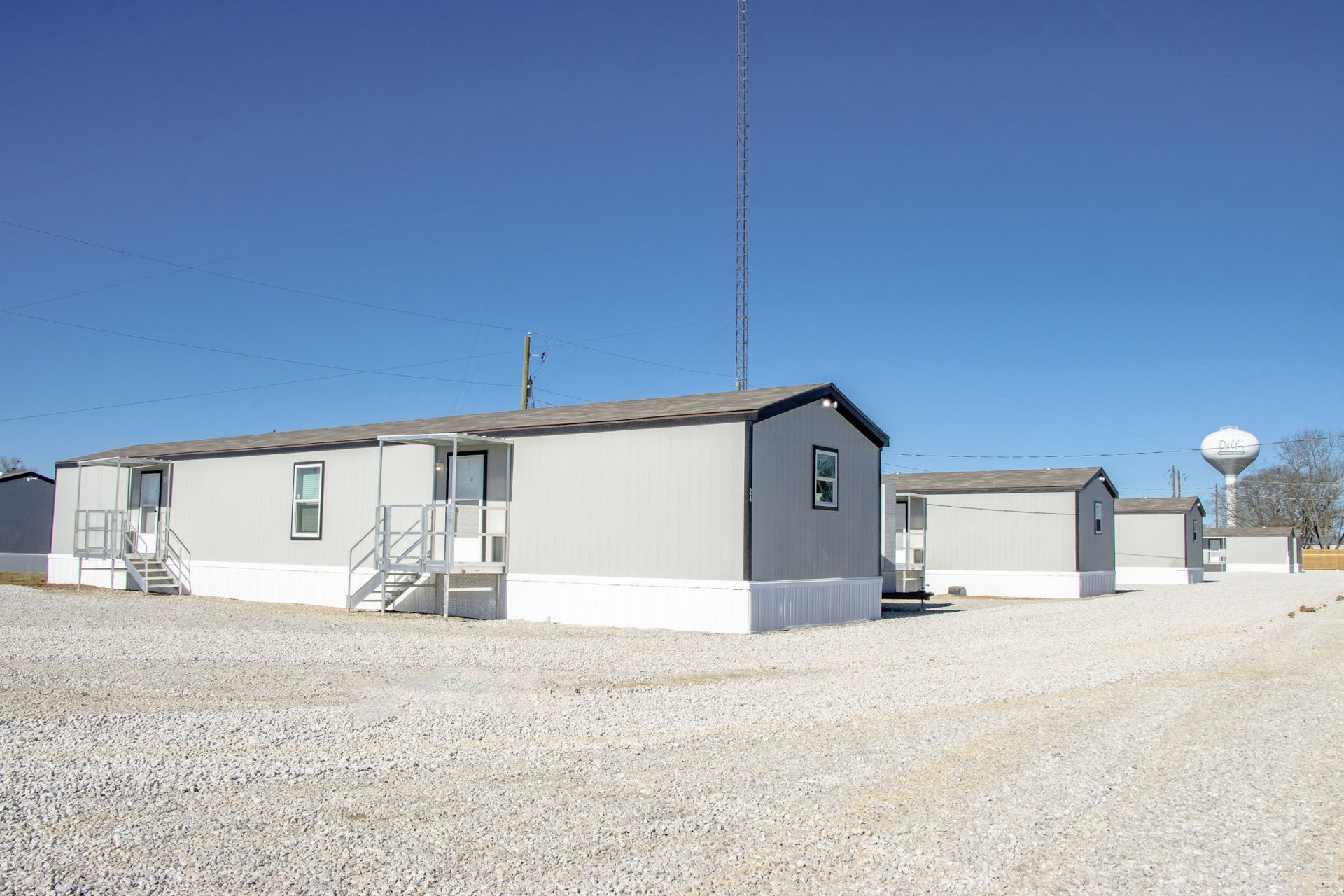
One of the most common questions we receive is, "How quickly can workforce housing be deployed?"

When organizations plan large-scale construction, industrial, energy, disaster recovery, or infrastructure projects, workforce housing is often viewed as a later-stage consideration.
Corporate Mobile Housing, LLC (CMH), a premier provider of workforce lodging management, today announced a national expansion of its housing solutions.
Why Companies Shouldn’t Overlook Housing for Their Projects

Workforce housing has undergone a major transformation over the past two decades. What was once a basic logistical necessity—simply providing a place for workers to sleep—has evolved into a strategic component of project success.